

LANDSCAPE LIGHTING PRICING
Average Landscape Lighting Pricing
Landscape lighting quotes vary from one contractor to another. There are many variables to consider, including type and quality of materials and the installation process itself. LUX Landscape Lighting is dedicated to high-quality products, installed with expertise. We mostly quote integrated LED systems.
This will give you an idea of what our Landscape Lighting Portrait Quote might be for your property:
8 light system
12 light system
20 light system
These prices are based on an average installation. Actual quoted price could be lower or higher, depending on the ease or difficulty of the installation.
Variables that Influence Landscape Lighting Prices
There are several factors that influence the quote you may receive for a landscape lighting system. While installation labor is often consistent from one professional company to another, the products, technology, and system design choices can change the overall price significantly.
Fixture Quality and Materials
The products used are typically the biggest cost driver in any lighting proposal. Entry-level systems often use imported fixtures made from thin aluminum or composite materials. These can look good at first but may fade, corrode, or fail sooner.
Higher-quality fixtures—especially those engineered in the United States—are usually built from solid brass, copper, or marine-grade aluminum. These materials last longer, handle weather better, and maintain their appearance over time. Premium fixtures also tend to have better optics, stronger seals, and serviceable components, which increases lifespan and reduces long-term maintenance costs.
LED Technology and Light Output
Not all LED lights are created equal. Price differences often come down to:
- Beam spread and optical design
- Color temperature consistency
- Replaceable vs. integrated LEDs
- Energy efficiency and lumen output
Higher-end LEDs produce cleaner, more natural light and maintain consistent color across the entire property. Lower-cost LEDs may shift color over time or create uneven lighting effects.
Color-Changing and Smart Lighting Options
Modern systems can include RGBW or color-changing fixtures, which add flexibility but also increase equipment costs. These systems allow homeowners to change colors for holidays, events, or seasonal themes using a smartphone app.
Smart controls—such as Wi-Fi or Bluetooth connectivity—also influence pricing. App-based systems can offer:
- Remote control from anywhere
- Scheduling and automation
- Dimming capability
- Integration with smart home systems
While these features raise the initial investment, many homeowners value the convenience and customization they provide.
System Design and Installation Complexity
Every property is different, and design complexity plays a role in pricing. Factors that influence installation time include:
- Property size and layout
- Distance from power source
- Hardscapes, retaining walls, or mature landscaping
- Trenching requirements and wire routing
A well-designed system balances aesthetics, safety, and efficiency—ensuring fixtures are placed correctly and the electrical load is distributed properly.
Transformer Size and Electrical Design
The transformer acts as the “heart” of a low-voltage lighting system. Larger systems require higher-capacity transformers, multiple zones, or advanced voltage management. Premium transformers may include built-in timers, photocells, or Wi-Fi control, which can add to the overall cost but improve performance and usability.
Warranty, Service, and Long-Term Value
Another important variable is the level of support offered after installation. Premium lighting companies often include stronger warranties, ongoing service plans, and long-term maintenance options. While the upfront cost may be higher, these systems are typically more reliable and less expensive to maintain over the life of the system.
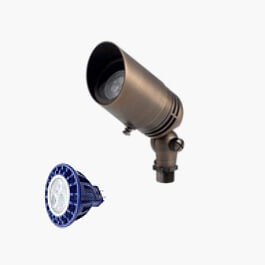
On the lower end of the professional-quality lights are the brass and copper fixtures that use drop-in LED lamps. Drop-in lamps have a much shorter life than integrated LED fixtures, but they have a much lower up-front cost.
No matter how high-quality the fixture itself, there are drawbacks to using drop-in lamps. LED lamps are sophisticated pieces of technology, and they are sensitive to heat and moisture. Drop-in LED lamps:
- have a much shorter life
- light color quality degrades rapidly
- are more expensive to maintain
We recommend drop-in LED lamps for customers who have an existing system that is in good shape and already has high quality fixtures, otherwise we always propose integrated LED lighting systems.
Prices for individual drop-in lamps vary considerably, depending on if the lamp is intended for outdoor or indoor use. For example:
- Indoor Philips MR 16 LED: $7.99
- Outdoor Brilliance MR 16 LED: $43.99
Outdoor lamps are designed to handle extreme temperatures that we experience here in the TriState, from 10 below zero to 100 degrees Fahrenheit. Sure, you can use the indoor lamps in a landscape lighting fixture, but they won’t last very long.
If you are maintaining your system yourself, and you don’t mind changing bulbs frequently, you can buy the less expensive indoor lamps. On the other hand, if you are paying a contractor to do the work, the labor cost will make the $7.99 bulb very expensive in the long run.
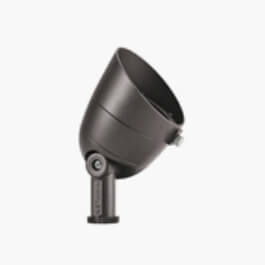
The better solution to drop-in LEDs are integrated LED fixtures made in China.
The integrated LED system combines the fixture with the electronics and optics into a single unit, meaning there are no replaceable parts. The fixture is designed to optimize thermal control and perfect the optics of the light.
Pros:
- Much longer life than drop-ins
- Better quality of light
- Higher energy savings
- Lower operating and maintenance costs
- Environmentally safe
Cons:
- Higher initial cost
- Must replace entire fixture if LEDs die
- Less flexibility in making changes to light output
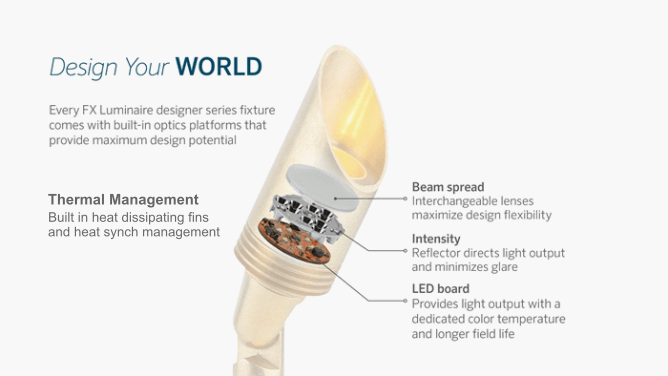
At LUX Landscape Lighting, our preference is the FX Luminaire brand. This lighting fixture combines the best of both integrated and drop-in LED technologies.
- These fixtures are considered integrated technology in that the fixture and the electronics are designed to work together to give optimal thermal control and light output control.
- These fixtures also have interchangeable beam spread and color filters that allow for field adjustments. You can achieve optimum light output for the specific use.
- The LED circuit board can be swapped out to change the lumen output to replace a failed chip set if that were to happen.
- These fixtures come in powder coated aluminum (or for premium performance, they are available in solid copper, brass and stainless steel).
- The average life of the LED is 72000 hours
- They have a 10-Year Warranty
This line can also be upgraded to have the ability to individual fixture zoning, dimming and color changing with the LUXOR system.